By Daniel R. · Updated 2026-08-19 · 12 min read
Most people looking for an iptv subscription service do not start with a clear specification sheet. They start with a simple question: why does one plan cost $10 while another costs $35, and which one will stop buffering during a live match? The answer is rarely about the number of channels alone. It comes down to whether you are buying a raw direct-plan service or a premium managed service with support, curation, and stronger trial options.
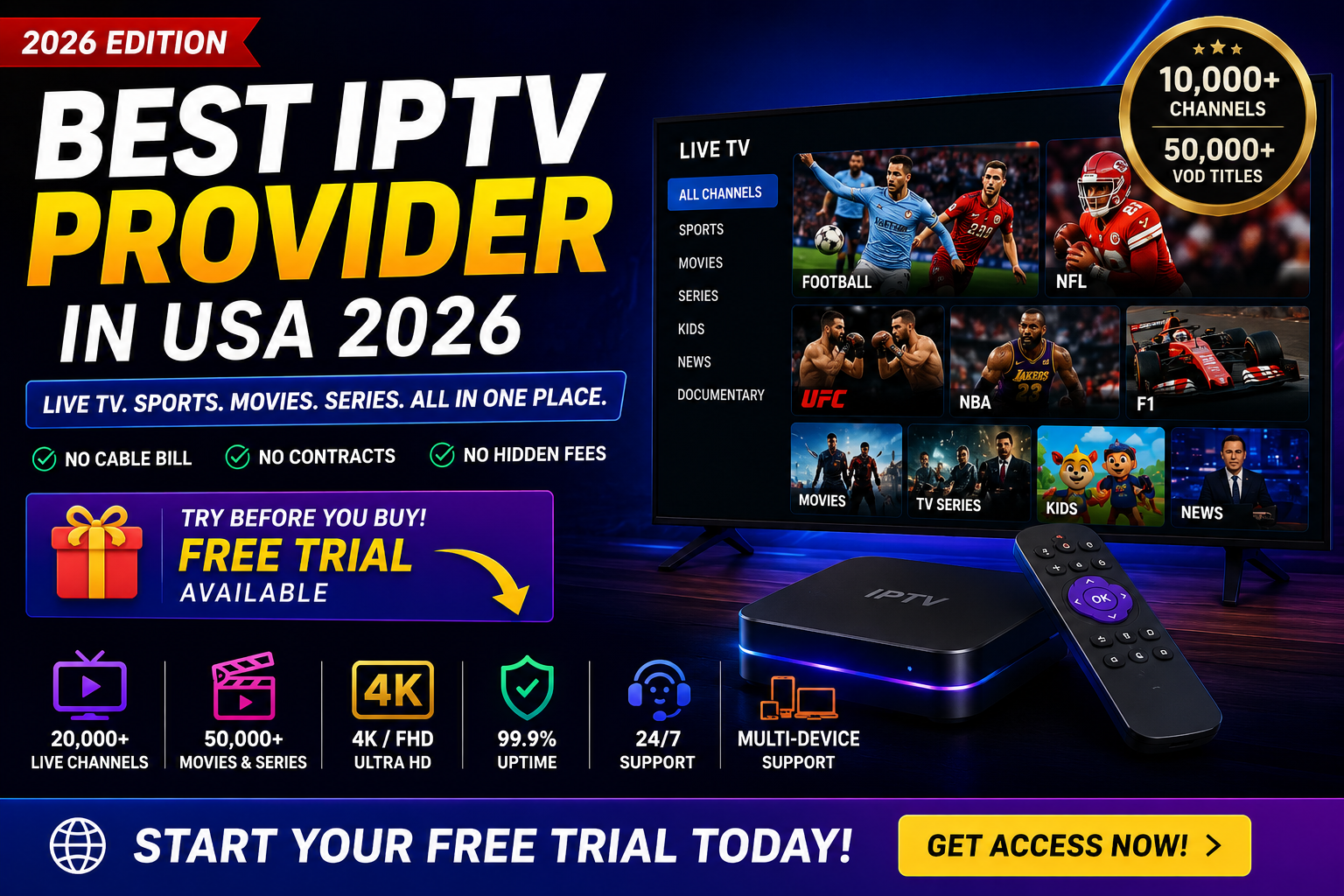
If you want a direct answer, a premium managed iptv subscription service is usually the safer choice for first-time buyers, sports fans, and anyone who does not want to troubleshoot. A direct budget plan makes sense only when you accept the trade-offs: lower monthly cost, less hand-holding, and more risk around reliability and licensing. The image above shows what most people end up comparing: a clean managed channel grid versus a less polished list on a second screen.
This comparison breaks down the two buying models, the criteria that actually matter, and the best pick for your budget, experience level, and viewing habits.
The Real Choice: Direct Budget vs Premium Managed
Many threads looking for the best iptv subscription service 2025 assume all IPTV services are the same product with different price tags. That assumption leads buyers toward the cheapest list and away from the plan they actually needed. In practice, two broad models dominate the market.
The direct budget model is typically a reseller-style service with a very large channel list, a low monthly price, and minimal packaging. You may receive an M3U playlist URL, a portal address, or a third-party app login. The premium managed model offers a smaller, curated lineup with better electronic program guide data, a branded app, human support, and usually a free trial option.
Neither model is universally bad. A direct plan can work well as a secondary service in a guest room, or for an experienced user who knows how to manage EPG sources and backup playlists. A managed plan tends to be more appropriate as a primary cable replacement.
Criteria That Actually Matter Before Paying
Before comparing two plans, ignore the marketing claims and focus on five criteria that predict whether you will still be using the service after the first month.
1. Content match. A huge channel count means nothing if your local sports network or regional news channel is missing. Check the specific leagues, countries, or channels you watch every week.
2. Trial availability. A service that offers no trial, or only a one-hour test, is asking you to take on all the risk. An iptv service with free trial lets you verify uptime during your actual viewing hours.
3. Device support. Confirm whether the service supports your Firestick, Android TV, Apple TV, Smart TV, or smartphone without a complicated third-party setup.
4. Payment transparency. Legal clarity and payment methods matter. A legal iptv subscription provider should explain its terms, provide a receipt, and avoid pushing only crypto or untraceable payment rails.
5. Support response. If the service goes down during a game, do you have a responsive chat, ticket system, or only a Telegram group?
Option A: Direct Budget IPTV Subscription Service
A direct budget iptv subscription service is built for maximum channel count at the lowest price. You usually buy a month, a few months, or a year through a reseller. The service may include thousands of live channels, VOD libraries, and PPV events, but the presentation is often raw and untidy.
This model works when you already know how to sideload a player, paste an M3U link, or manage an EPG URL. It also works if you only need a secondary service for a bedroom TV and you are not relying on it for appointment viewing. The cost advantage is real, but it comes from the service doing less for you.
✓ Benefits & Pros
Low monthly price, often between $8 and $20
Large channel count across many countries
Flexible month-to-month plans are common
Works with third-party IPTV players you already use
✗ Limitations & Cons
Variable uptime and more buffering during peak hours
Limited legal clarity on some channels and feeds
Support can be slow or unresponsive
Payment often pushed toward crypto or peer-to-peer rails
Option B: Premium Managed IPTV Subscription Service
A premium managed iptv subscription service positions itself as a more polished cable replacement. Instead of handing you a raw playlist, the provider gives you a branded app, a structured channel grid, and a support team. The number of channels may look smaller, but the list is usually cleaner and more stable for the content you actually search.
For sports viewers, this model often provides the best iptv for sports channels because the provider curates major league packages, reduces duplicate streams, and maintains EPG data for kickoff times. A free trial is more common here, which matters because sports depend on real-time performance during specific hours.
✓ Benefits & Pros
More consistent streams and curated channel groups
Sports packages with better EPG and event categories
Free trial or low-cost introductory period
Human support for setup, billing, and troubleshooting
✗ Limitations & Cons
Higher monthly cost, usually $20 to $45
Fewer obscure international filler channels
Shorter promotional windows or limited free trials
Some plans push longer commitments for the best rate
RECOMMENDED RESOURCE
iptv subscription service
See current details, seasonal promos, and full tier packages.
Learn more about iptv subscription service →
Best Option by Budget
Your budget is the fastest way to narrow the choice, but it should not be the only factor. A cheap plan that fails during the one event you care about is not a bargain.
Under $15 per month: A direct budget plan is the realistic option. Keep it as a secondary service or test it heavily during the first 24 hours. Look for affordable iptv subscription plans that allow a one-month purchase instead of forcing a year upfront.
$15–$30 per month: This is the sweet spot for a premium managed basic plan. You get better support, a cleaner app, and a trial window without paying the highest tier.
$30–$50 per month: A premium managed plan with sports packages, simultaneous device connections, and responsive support makes sense if you are replacing a cable box.
Above $50 per month: Verify whether you are paying for niche sports or international packages you actually use. Otherwise, a lower-cost managed plan may cover the same core channels.
Best Option by Experience Level
Beginners should avoid the cheapest direct plan unless they have someone to help with setup. A managed service with a preconfigured app and a free trial shortens the learning curve. Intermediate users can try a direct budget plan if they already understand M3U players, EPG links, and device limits.
Advanced users often prefer a direct plan for maximum control and lower annual cost. They can maintain backup players, switch portals when needed, and tolerate downtime because they are not depending on a single service for primary viewing.
How to Buy an IPTV Subscription Service Safely
The question of how to buy iptv subscription safely is more important than any channel count. Follow this sequence to reduce payment risk and avoid locking yourself into a bad plan.
1. Test a free trial first. If a provider offers no trial, ask for a 12-hour paid test at minimum. Real-time performance during your viewing hours is the only proof that matters.
2. Check legal clarity. A legal iptv subscription provider should be transparent about its terms, support channels, and billing. Avoid services that hide ownership details and push only crypto.
3. Use a protected payment method. A virtual card or PayPal where available gives you more recourse than crypto or P2P transfer.
4. Cross-check reviews carefully. An iptv subscription service review reddit thread can reveal consistent billing or uptime complaints, but it is not neutral. Look for patterns, not one angry post.
5. Start month-to-month. Even if the yearly rate looks attractive, pay for one month first. If the service survives a full billing cycle, you can commit later.
Unlock complete high-definition information instantly here.
Explore iptv subscription service Plans →
Recommendation by User Profile
The best choice depends less on marketing and more on how you watch.
Sports viewer: Choose a premium managed service with sports categories, multi-device support, and a trial that covers a live match. This is where the best iptv for sports channels claim gets tested in real time.
Family household: A managed plan with simultaneous connections and parental controls is usually worth the extra cost. A direct plan can work if the budget is tight, but expect more setup questions from every room.
International viewer: A direct budget plan often has more country-specific channels, but verify EPG and catch-up features for your region before paying.
Privacy-conscious buyer: Look for a legal iptv subscription provider with a clear privacy policy, official app, and standard payment rails. Avoid services that require crypto only and provide no receipt.
Cord-cutter replacing cable: Start with a premium managed free trial. If it handles your prime-time viewing and live sports, you can cancel the cable box with confidence.
The bottom line: a direct budget iptv subscription service wins on price and channel volume, while a premium managed plan wins on reliability, support, and trial transparency. If you only remember one rule, make it this: do not prepay for a full year until a service has proven itself through your actual viewing schedule for at least one full month.
For most people searching for a primary service, especially sports fans and beginners, a managed plan with a free trial is the more sensible default. For experienced users adding a second screen, a direct budget plan can be a useful low-cost supplement.
Featured Streaming Selection:
See iptv subscription service Pricing →Affiliate Disclosure: Clicking this secure link verified by our network supports our team through standard partnership terms at zero extra cost to your invoice.
Frequently Asked Questions
This article contains affiliate links. Our editorial analysis remains independent.